
Tooth-coloured fillings
Fillings may be discussed for cavities, chipped teeth or smaller areas of tooth damage after assessment.

 Patient Information Appointments, first visits, children’s amenities, access and health fund questions.
  First Visit What to bring and what to ask before a first appointment.
  Dental FAQs Common appointment, service, BUPA and location questions.
  Dental Articles Dental articles and patient information for Blackburn North patients.
  Dental Check-Up Dental check-ups, cleaning questions and preventive care planning.
  Children's Dentistry Dental visits for children and families in Blackburn North.
  Restorative Dentistry Fillings, tooth repairs, dentures, and restorative options.
 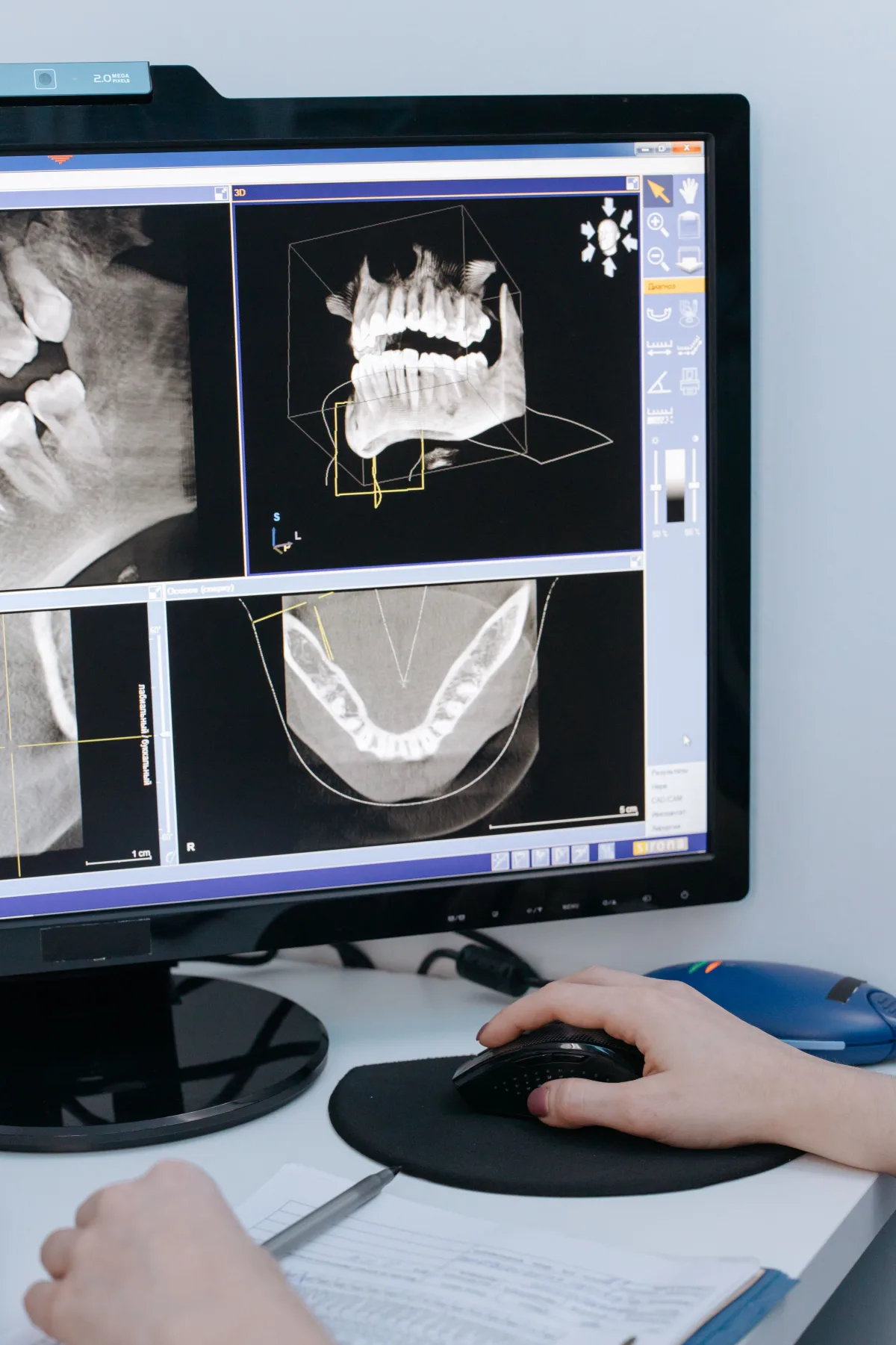 Dental Implants Implant assessment, surgical guide planning and missing tooth questions.
 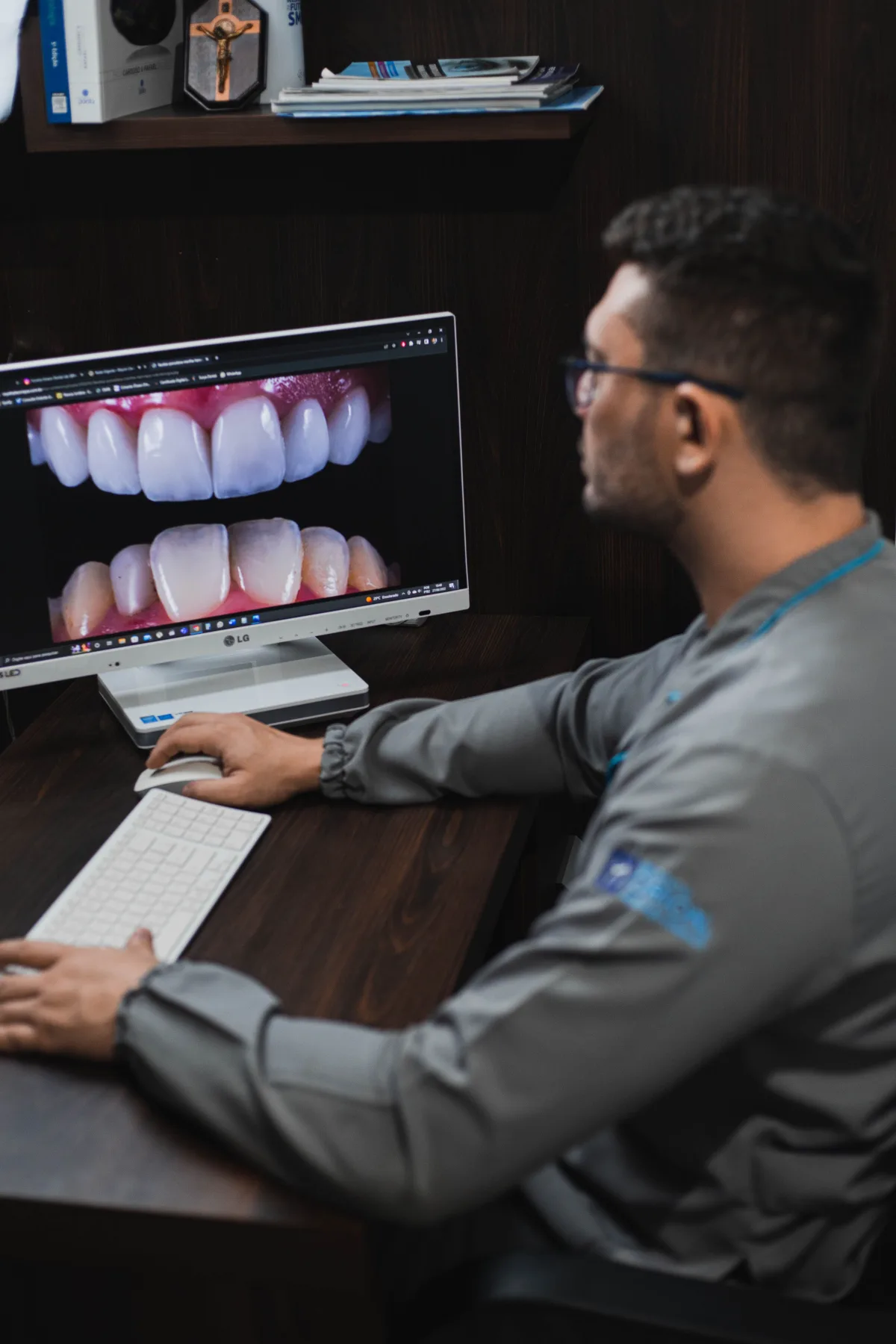 Veneers & Cosmetic Dentistry Veneers, cosmetic shade planning, IOS and digital smile design questions.
  Teeth Whitening Whitening suitability, sensitivity, and expected treatment steps.
  Crowns and Bridges Information about crowns, bridges, and tooth replacement options.
 Fillings • Tooth repairs • Restorative dentistry
Orchard Smiles Dental Surgery provides information about restorative dentistry for patients in Blackburn North. Restorative care may be discussed for cavities, broken teeth, chipped teeth, lost fillings, worn teeth, damaged restorations, missing teeth, dentures, crowns and bridges.
The clinic is located at 111 Springfield Road, Blackburn North VIC 3130 and supports patients from Blackburn North, Blackburn, Box Hill, Nunawading, Forest Hill, Mitcham and nearby suburbs.
Suitability for restorative treatment depends on the tooth, gums, bite, oral health, symptoms, existing dental work, X-rays where clinically appropriate, patient goals and treatment alternatives.
Fillings may be discussed for cavities, chipped teeth or smaller areas of tooth damage after assessment.
A broken, chipped or cracked tooth can be assessed before repair options are discussed.
Existing fillings, crowns or restorations can be checked if they feel loose, rough, sensitive or food-trapping.
More involved restorative options may be discussed when a tooth or missing tooth space needs broader planning.
Eligible Bupa members can ask about cover, yearly limits, waiting periods and Bupa fund rules.
Restorative care
Restorative dentistry focuses on repairing, rebuilding or replacing teeth where there has been decay, wear, damage, fracture, missing tooth structure or missing teeth. The aim is to assess the problem, understand the cause and discuss suitable options before treatment proceeds.
Restorative care can involve smaller repairs such as tooth-coloured fillings, or more involved planning such as crowns, bridges, dentures, root canal discussions, extraction discussions or referral pathways where required.
A filling may be used to restore a tooth affected by decay, a smaller fracture or a lost filling.
Chipped, worn or broken teeth may need assessment before repair options are discussed.
Old fillings, crowns or restorations can be assessed if they feel loose, cracked, sensitive or food-trapping.
Dentures, bridges or implant-related discussions may be relevant depending on assessment and goals.
The dentist can explain options, alternatives and health fund item-number questions after assessment.
Dental fillings
A dental filling may be discussed when a tooth has decay, a small fracture, wear, sensitivity from lost tooth structure, or an existing filling that needs replacement. The dentist first assesses the tooth and explains whether a filling or another option may be suitable.
Tooth-coloured filling materials may be used in many cases. The shade and type of material depend on tooth position, bite, size of the repair, appearance needs and clinical suitability. A filling does not make a tooth immune to future problems, so regular cleaning, home care and dental checks remain important.
A filling may be considered after decay is removed and the remaining tooth structure is assessed.
Small chips may be suitable for smoothing, bonding or filling depending on the tooth and bite.
A lost filling can expose tooth structure and should be checked, especially if sensitivity or food trapping is present.
Some worn areas may need monitoring, restoration or broader planning depending on the cause and extent.
Shade and material selection can be discussed, while the final appearance depends on clinical factors.
Broken teeth
A broken, chipped or cracked tooth can happen after biting something hard, trauma, decay, grinding, old fillings or wear. The right approach depends on the amount of tooth remaining, symptoms, bite, cracks, decay, gum health and X-rays where clinically appropriate.
If a tooth is sharp, sensitive, painful, loose or associated with swelling, contact the clinic for advice. Avoid chewing on the affected side and bring any broken fragment if you have it.
A minor sharp edge may sometimes be smoothed if that is suitable after assessment.
Smaller chips or defects may be suitable for a filling or bonding, depending on tooth structure and bite.
A weakened or heavily damaged tooth may need more coverage than a direct filling can provide.
If the nerve of the tooth is affected, further treatment discussion may be needed.
Some teeth may not be restorable and may need other options or referral discussed.
Lost or damaged restorations
Existing dental work can sometimes break, loosen, wear or feel different when biting. A lost filling, loose crown, broken filling, rough edge or food-trapping area should be assessed, especially if it is painful, sharp, sensitive or getting worse.
Do not use household glue to reattach a crown or restoration. Keep any loose or broken piece and bring it to the appointment if possible.
A missing filling may leave a tooth rough, sensitive or more likely to trap food.
A broken filling may expose tooth structure or leave a sharp edge that needs assessment.
Avoid chewing on a loose crown and contact the clinic. Bring the crown if it comes off.
Food trapping around dental work may indicate a fit, gum or breakdown issue.
Sensitivity around a restoration should be assessed so possible causes can be discussed.
Dentures and missing teeth
Restorative dentistry can also involve missing tooth discussions. Depending on the number of missing teeth, gum health, remaining teeth, bite, budget questions and patient preferences, options may include dentures, bridges, implant-related discussions or referral pathways.
Dentures may be discussed as a removable option for replacing missing teeth. Existing dentures can also be assessed if they feel loose, sore, cracked, broken or difficult to use.
The number and location of missing teeth affects treatment planning.
Remaining teeth, gums and bite need assessment before replacement options are discussed.
A denture may be one option for some patients who need a removable replacement.
A bridge may be discussed if neighbouring teeth and gums are suitable.
Implant-related discussion or referral may be considered depending on the case.
Root canal and extraction discussions
Sometimes a tooth cannot be restored with a filling alone. If decay, cracks, infection, trauma or pain affect the nerve or supporting structures of a tooth, the dentist may need to discuss other options.
Depending on assessment, discussion may include root canal treatment, crown planning, extraction, replacement options or referral. The dentist can explain the findings and suitable next steps after examining the tooth.
Deep decay may need more than a simple filling.
Pain that lingers, wakes you at night or occurs with swelling may need further assessment.
Some cracks extend deeper than they appear and need careful assessment.
Swelling or infection can change the treatment plan and may need urgent advice.
If a tooth cannot be kept, replacement options may be discussed after assessment.
Assessment first
Restorative treatment should be planned after assessment. A dentist needs to understand the tooth, gums, bite, symptoms, existing dental work and patient goals before recommending a filling, repair, crown, bridge, denture or other pathway.
Assessment may include discussion of symptoms, medical history, examination of teeth and gums, bite assessment, dental camera images where useful, and digital X-rays where clinically appropriate.
Tooth structure remaining
Decay, cracks or fracture lines
Sensitivity or pain symptoms
Gum health and bleeding
Bite forces and grinding habits
Existing fillings or crowns
Root canal history
Missing tooth space
Oral hygiene access
Patient goals and budget questions
Health fund item number questions
The process
The exact process depends on the tooth and treatment plan. A small filling may involve a different appointment process from a large restoration, crown, bridge, denture or complex repair.
In general, the dentist may assess the tooth, explain the findings, discuss options, provide item numbers where relevant, and outline appointment steps before treatment proceeds.
Mention pain, sensitivity, a broken tooth, a lost filling, food trapping, a loose restoration or appearance questions.
The dentist checks the tooth, gums, bite and existing dental work. X-rays may be discussed where clinically appropriate.
Treatment options and alternatives are explained after assessment, so decisions can be based on the actual findings.
Patients can ask what item numbers may be relevant before checking cover, waiting periods, limits and fund rules.
Appointment steps depend on the selected treatment and whether other care is needed first.
Restored teeth still need cleaning, monitoring and regular dental checks.
Materials and shade
Tooth-coloured materials may be used for many fillings and repairs, depending on the tooth and clinical situation. The dentist can discuss material choice, shade considerations, tooth position, bite and appearance before treatment proceeds.
If a restoration is visible when you smile, shade planning can be important. Natural teeth can change colour over time, and restorations do not whiten like natural enamel after they are placed.
Orchard Smiles uses Philips Zoom! in-office whitening for suitable cosmetic whitening cases. If you are considering whitening and visible restorative treatment, ask the dentist whether whitening should be discussed before final shade selection.
Natural tooth enamel and restorative materials respond differently to whitening.
Visible restorations may need shade discussion before placement.
If whitening is planned, ask whether it should be discussed before final shade selection.
Philips Zoom! in-office whitening may be discussed for suitable cosmetic cases only.
The dentist can discuss shade limitations and appearance questions before treatment.
Prevention and maintenance
Restored teeth still need daily care and regular dental checks. Fillings, crowns, bridges and dentures can all be affected by plaque, bite forces, gum health, diet, wear and oral hygiene habits.
The dentist or dental team can explain how to clean around restorations and what changes to report.
Clean around fillings, crowns, bridges, dentures and gumlines as advised.
Interdental brushes or special floss may be recommended for some restorations.
Do not use teeth to open packaging or bite hard objects.
Call if a restoration feels rough, loose, high, sensitive, sore or painful.
Regular checks help monitor restored teeth, gums, dentures and bite.
Health funds
Orchard Smiles Dental Surgery is BUPA Members First Platinum. Patients with Bupa or another health fund should check cover details directly with their fund before treatment.
Benefits depend on the patient’s cover, yearly limits, waiting periods, benefit restrictions, policy restrictions and Bupa fund rules. If restorative treatment is recommended, patients can ask what item numbers may be relevant and then check with their fund.
Fillings, crowns, bridges and dentures may involve item numbers your fund can check.
Some restorative or major dental items may have waiting periods depending on your policy.
Yearly limits and item limits may affect benefits.
Patients can ask about expected costs and fund information before treatment proceeds.
Local clinic
Orchard Smiles Dental Surgery is located at 111 Springfield Road, Blackburn North VIC 3130. Patients from Blackburn North, Blackburn, Box Hill, Nunawading, Forest Hill, Mitcham and nearby suburbs can contact the clinic about dental fillings, broken tooth repairs, lost fillings, damaged restorations, dentures, crowns, bridges, health fund questions and Philips Zoom! whitening planning.
The clinic has dedicated parking, disabled parking, shopping centre frontage and a bus stop nearby. Parking availability can vary.
Related pages
These Orchard Smiles pages can help patients prepare questions about check-ups, urgent dental concerns, crowns, bridges, whitening, health funds and first appointments.
Dental Check-Up A check-up can help assess teeth, gums, existing restorations and suitability. 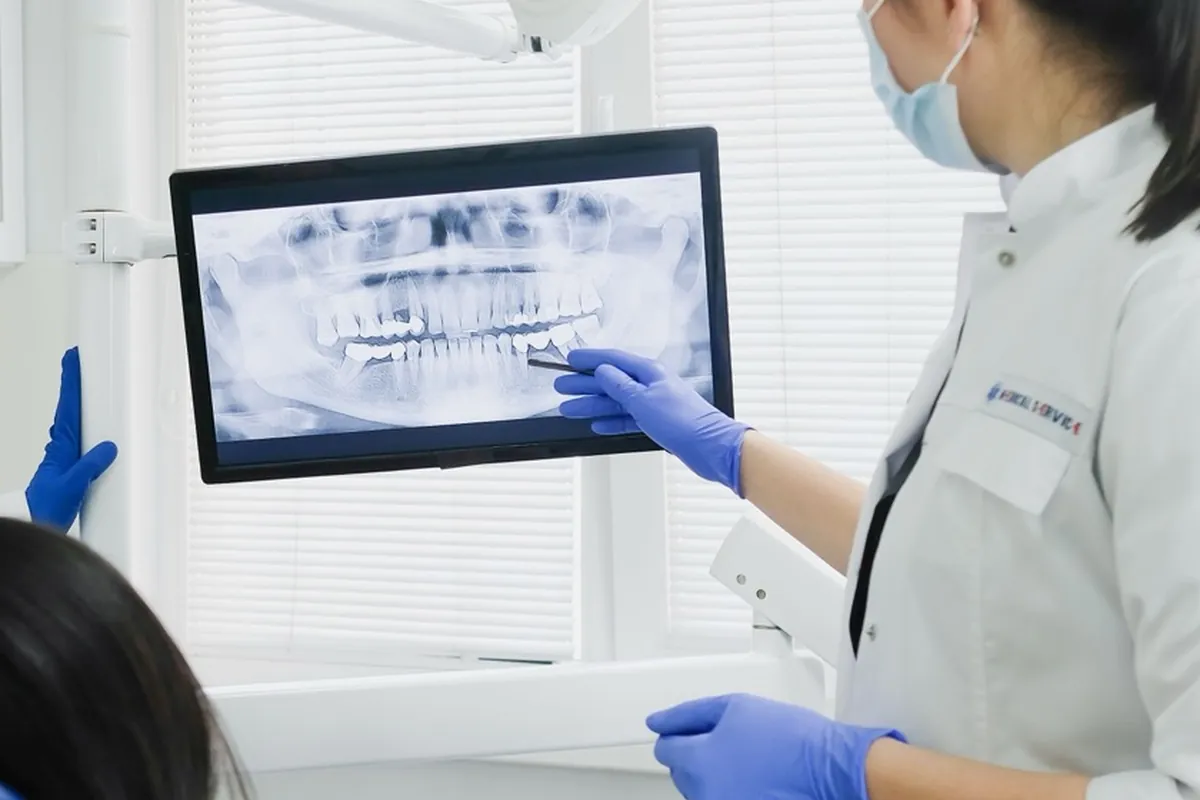 Emergency Dentist Call about broken teeth, lost fillings, loose crowns or urgent dental concerns. Crowns and Bridges Learn about crowns, bridges, missing teeth and shade planning. Teeth Whitening Ask about Philips Zoom! whitening and shade planning before visible restorations. Veneers & Cosmetic Dentistry Ask about bonded resin, porcelain, e.max and cosmetic shade planning questions.
  Health Funds Information about HICAPS, BUPA Members First Platinum and item-number questions. Broken Tooth Article Read what to do if a tooth breaks, chips or becomes sharp. Dental Check-Up Article Read what may happen during a dental check-up and clean. First Visit Learn what to bring and what to mention before your appointment.
 Restorative dentistry FAQs
General answers for patients asking about fillings, tooth repairs, missing tooth options, BUPA Members First Platinum and restorative appointments in Blackburn North.
Patients can contact Orchard Smiles Dental Surgery in Blackburn North to ask about restorative dentistry, including fillings, tooth repairs, lost fillings, damaged restorations, dentures, crowns and bridges. Suitability depends on assessment.
Restorative dentistry focuses on repairing, rebuilding or replacing teeth affected by decay, damage, wear, fracture, missing tooth structure or missing teeth.
Tooth-coloured materials may be used for many fillings and repairs, depending on the tooth, size of the repair, bite, location and clinical suitability.
Some broken teeth can be repaired, but the suitable option depends on the amount of tooth remaining, symptoms, cracks, decay, bite, gum health and X-rays where clinically appropriate.
Avoid chewing on the affected tooth, keep the area clean and contact the clinic. A lost filling can expose tooth structure and may cause sensitivity or food trapping.
Avoid chewing on the crown and contact the clinic. Do not use household glue to reattach it. Bring the crown with you if it comes off.
No. Some teeth may need a larger restoration, crown, root canal discussion, extraction discussion or referral depending on the size and depth of decay, cracks, symptoms and remaining tooth structure.
No. Fillings, crowns, bridges and veneers do not whiten like natural tooth enamel. If you are considering Philips Zoom! whitening and visible restorative treatment, ask the dentist whether whitening should be discussed before shade selection.
No. Philips Zoom! whitening is a cosmetic whitening option for suitable cases. It does not repair decay, broken teeth, cracks, missing teeth or damaged restorations.
The dentist can discuss shade selection for visible fillings. Shade planning depends on the tooth, material, lighting, surrounding teeth and treatment situation.
Contact the clinic if a restored tooth is sensitive, painful, rough, high in the bite, loose or trapping food. The dentist can assess possible causes and discuss next steps.
Not always. Digital X-rays may be recommended where clinically appropriate, depending on symptoms, tooth history, visible findings and the information needed for treatment planning.
Orchard Smiles Dental Surgery is BUPA Members First Platinum and welcomes health fund questions. Benefits depend on cover, yearly limits, waiting periods, benefit restrictions, policy restrictions and Bupa fund rules.
Use Book Online or the linked Call button to ask about an appointment for a cavity, broken tooth, lost filling, damaged restoration, denture question, crown or bridge concern.
Book online or call
For dental fillings, broken teeth, lost fillings, damaged restorations, dentures, crowns, bridges, Philips Zoom! shade planning, BUPA Members First Platinum or health fund information, contact Orchard Smiles Dental Surgery in Blackburn North.
Restorative dentistry information on this page is general and does not replace individual advice from a dentist after assessment.