






Emergency Dental
What to Do If You Break a Tooth
A broken tooth can feel stressful, especially if there is a sharp edge, sensitivity, swelling or pain. If you are in Blackburn North or nearby suburbs, call Orchard Smiles Dental Surgery as early as possible during opening hours so the clinic can discuss symptoms and appointment availability.
Updated June 2026 • 6 min read

Article guide
What this article covers
- First steps after a broken tooth
- When to call the clinic
- Sharp edges, pain and sensitivity
- What dental assessment may involve
- How repair options can vary
First steps after a broken tooth
If a tooth breaks, rinse gently if needed and avoid chewing directly on that side. If there is a broken piece, keep it clean and bring it with you if it is safe to do so.
Avoid using household glues or trying to smooth the tooth yourself. A dentist needs to assess the tooth, surrounding gum and bite before repair options can be discussed.
If the tooth is sensitive, stick to softer foods and avoid very hot or cold drinks until you have spoken with the clinic or received appropriate advice.
If there is bleeding, apply gentle pressure with clean gauze or a clean cloth. If the tooth broke while eating, avoid hard foods until the tooth has been assessed. Do not test the tooth repeatedly by biting on it, as this can make discomfort worse.
If a fragment has broken off, keep it in a clean container and bring it to the appointment. The fragment may or may not be useful, but it can help the dentist understand what happened.
When to call the clinic
Call Orchard Smiles as early as possible during opening hours if the tooth is painful, sharp, sensitive, bleeding or difficult to bite on. Appointment availability can vary, so early contact helps the clinic guide you.
If symptoms are severe, swelling is spreading or you are worried about your general health, seek urgent medical advice.
Sharp edges, pain and sensitivity
A small chip may still be uncomfortable if it leaves a sharp edge against the tongue or cheek. A larger break can expose sensitive tooth structure or affect an existing filling.
Pain, sensitivity to hot or cold, swelling or a bad taste can be signs that the tooth needs prompt assessment.
What assessment may involve
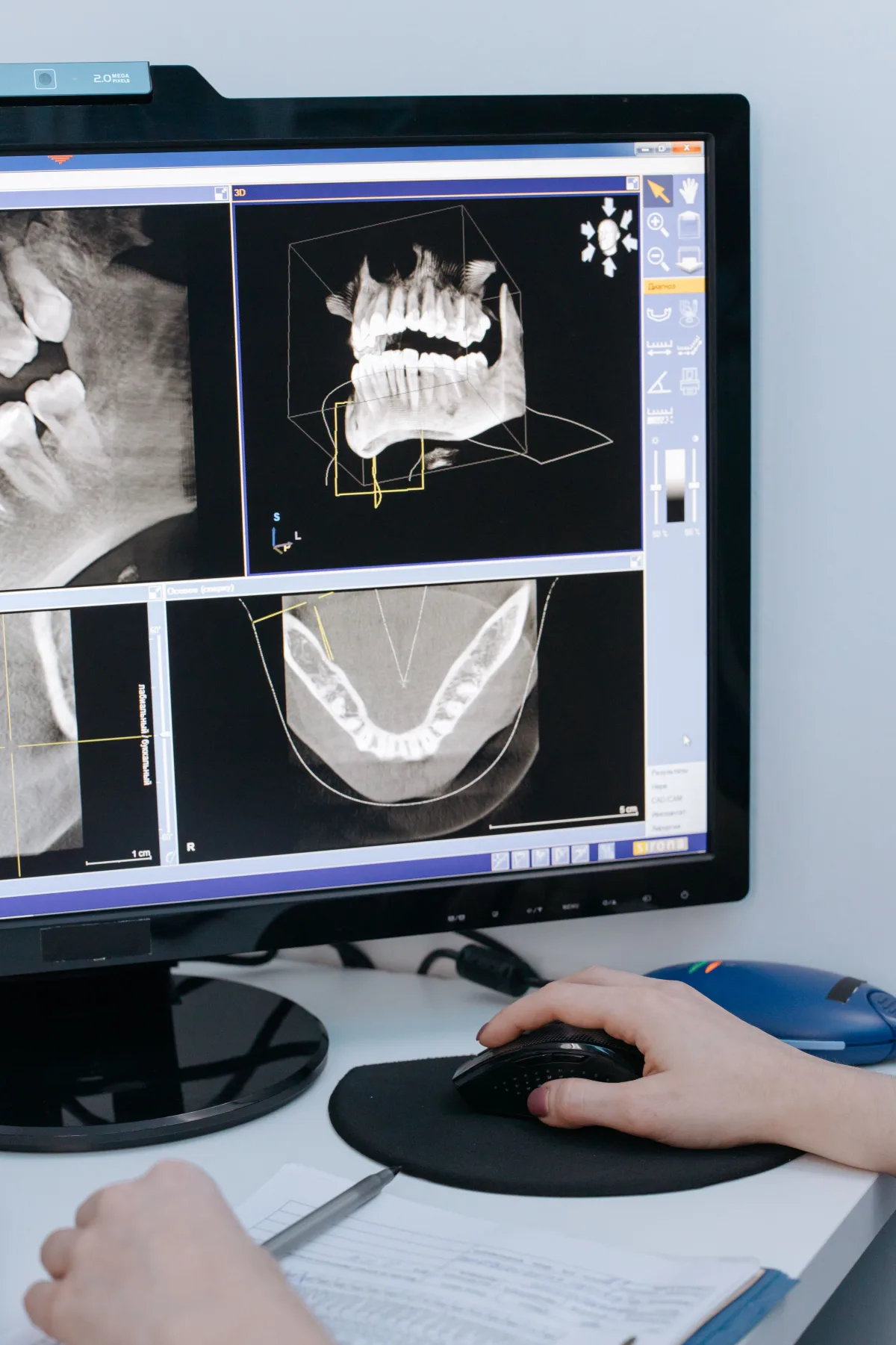
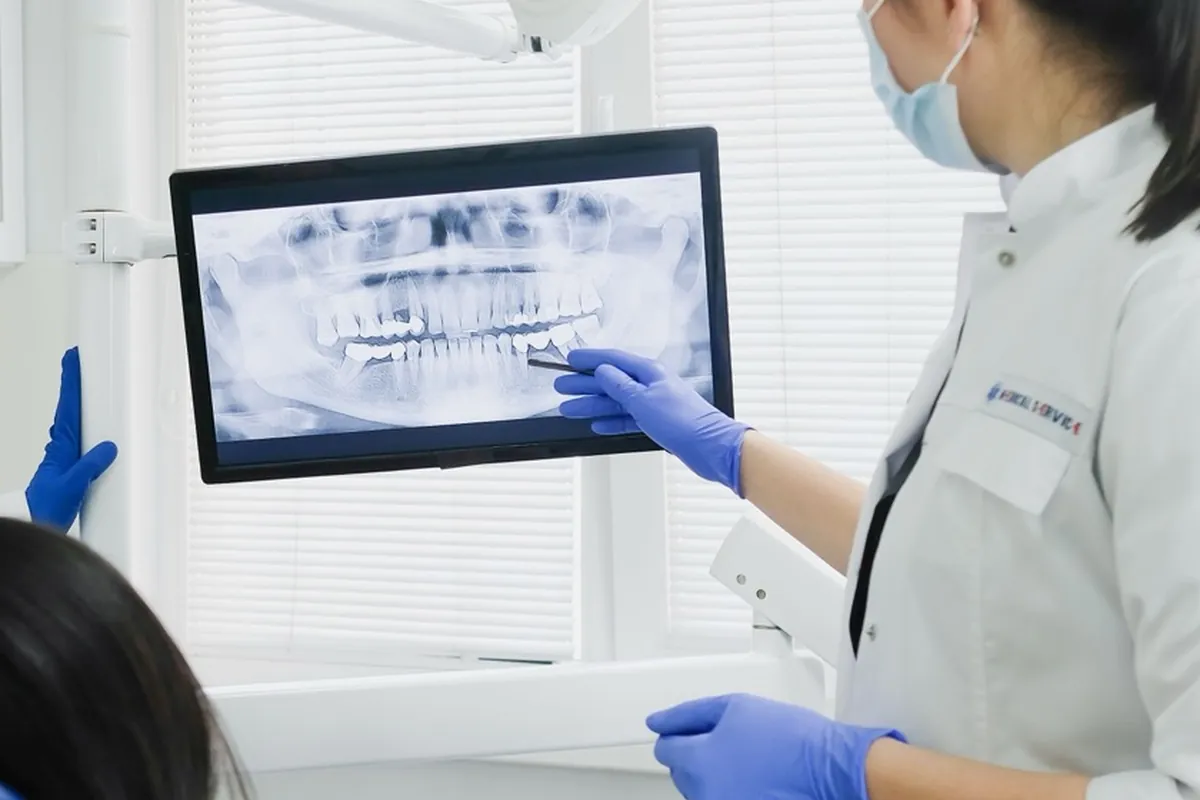
Assessment may include looking at the tooth, checking the surrounding gum, testing bite comfort and discussing symptoms. X-rays may be discussed where clinically appropriate.
The dentist may also ask how the break happened, when symptoms started and whether the tooth has had previous fillings or crowns.
Possible repair options may vary
Repair options depend on how much tooth structure remains, whether the nerve is affected, gum health, bite forces and any existing restorations.
A simple repair may be suitable in some cases, while other situations may require broader restorative planning or referral discussion.
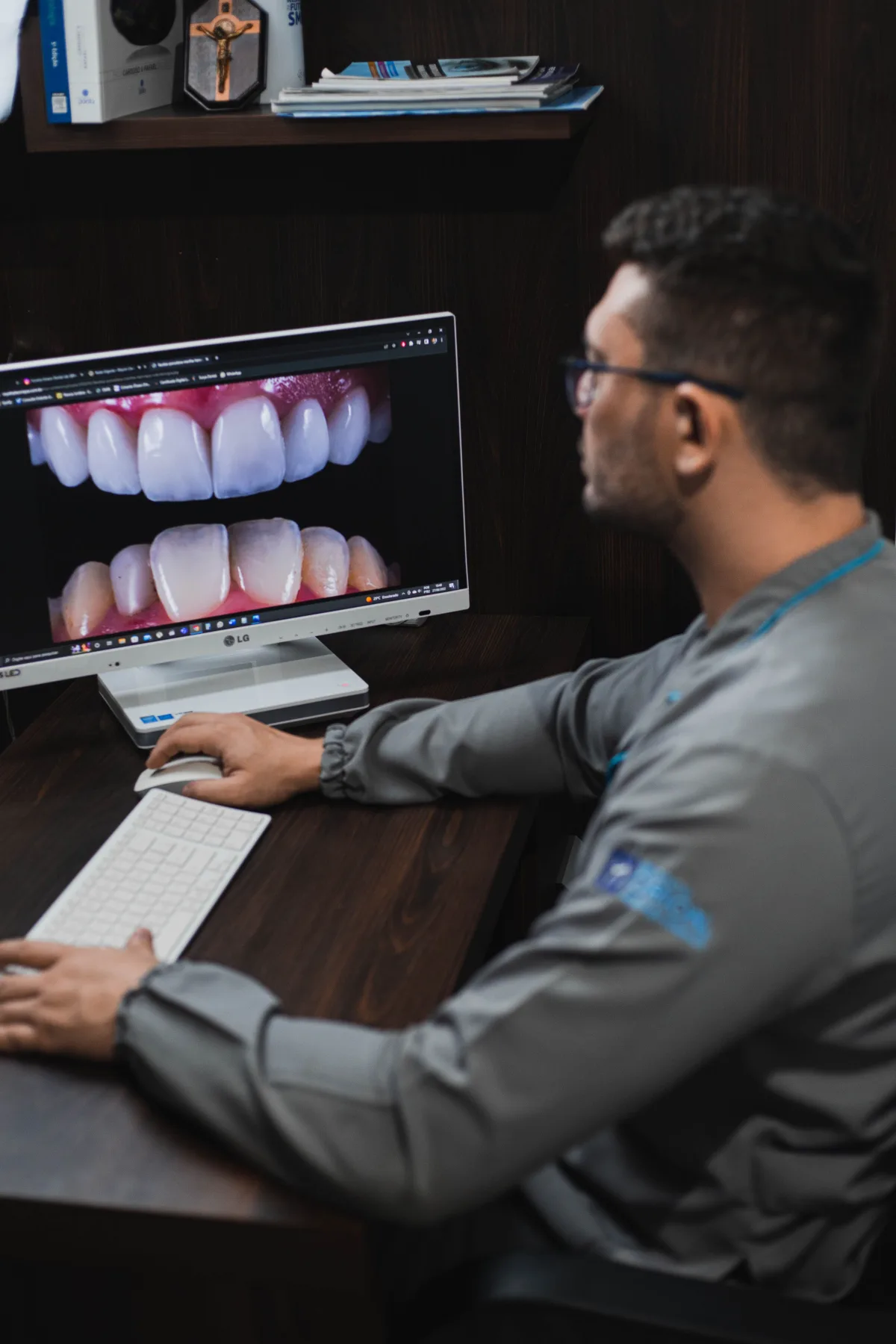
Some teeth can be discussed in terms of smoothing, bonding or filling-style repairs. Other teeth may need more detailed restorative planning, such as discussing a crown, bridge, denture option or referral pathway depending on the finding.
The important point is not to assume the repair before assessment. The dentist needs to look at the tooth, symptoms, gum health, bite and any existing restoration before discussing suitable next steps.
What not to do at home
Do not glue a broken piece back onto the tooth, use hardware-store materials, or file a sharp edge yourself. These can irritate the tooth, gum or soft tissues and may make assessment harder.
If the tooth is sharp, you can avoid chewing on that side and call the clinic for advice about appointment availability. If swelling, fever, spreading facial changes or general health concerns are present, seek urgent medical advice.
Calling the clinic
What to mention when you call
When calling about a broken tooth, describe when it happened, whether there is pain, whether the edge is sharp, whether swelling is present and whether you still have the broken piece.
- Is there swelling, bleeding, fever or facial changes?
- Can I keep the broken piece safely?
- Is the tooth sharp or sensitive to temperature?
- What appointment type is suitable for my symptoms?
Related pages
A broken tooth may begin as an urgent concern and later involve restorative planning, so these links connect the likely next questions.
 Emergency Dentist Guidance for urgent dental concerns and appointment availability.
  Restorative Dentistry Fillings, tooth repairs, dentures and restorative planning questions.
  Crowns and Bridges Information about crowns, bridges and tooth replacement options.
  Dental Check-Up Check-ups, cleaning questions and preventive care planning.
  Contact Us Call, book online or find Orchard Smiles on Springfield Road.
 Ask Orchard Smiles Dental Surgery
Call about a broken tooth
If a tooth has broken, chipped or cracked, call during opening hours and describe the symptoms, sharp edges and whether you still have the broken piece. You can use Book Online or call Orchard Smiles Dental Surgery on 03 9894 3347.
Dental information in this article is general and does not replace advice from a dentist after assessment.